 EleganceNutrition
Sophisticated French Dietary Habits in Science
February 2026
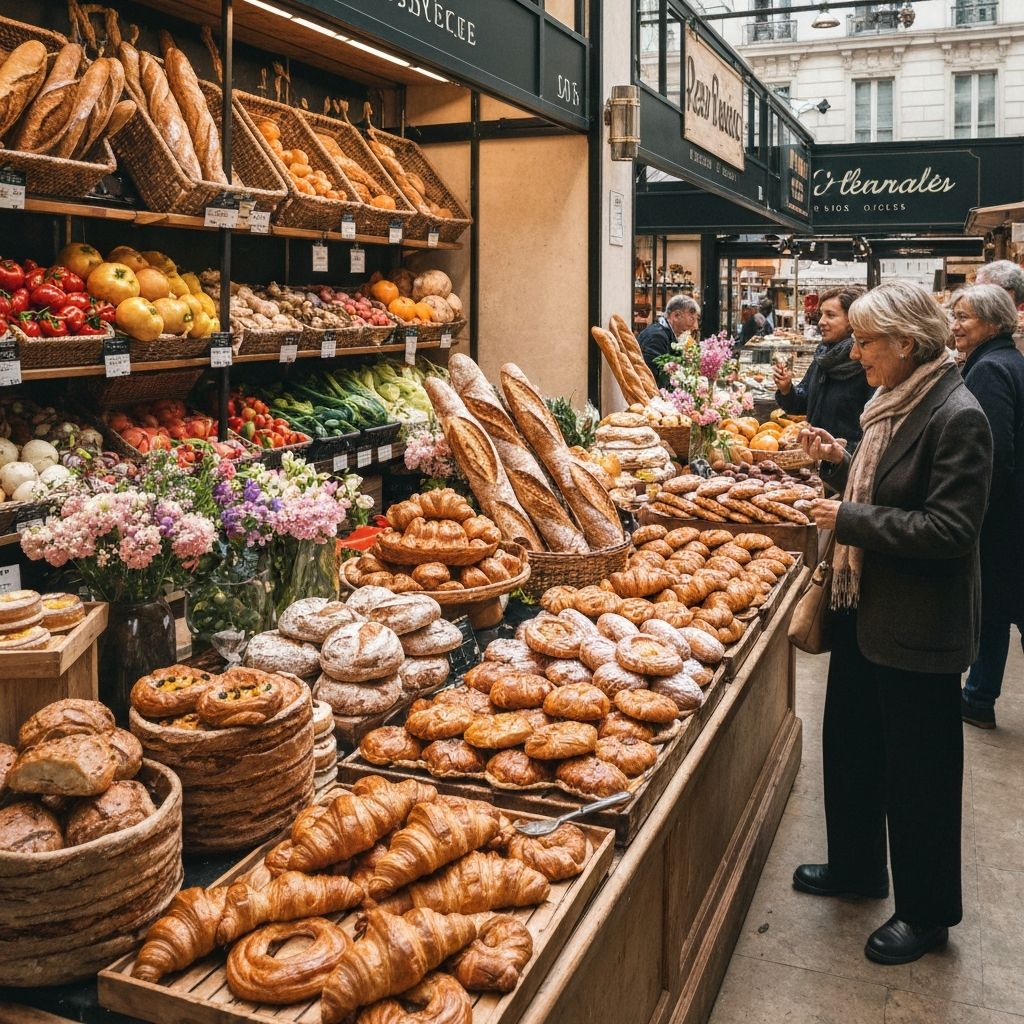
The Science Behind Culinary Refinement
French culinary traditions represent centuries of accumulated knowledge about food, pleasure, and well-being. These practices encode sophisticated understanding of nutrition, sensory satisfaction, and meal structure—principles now validated by modern nutritional science.
The French approach emphasizes quality ingredients, mindful consumption, aesthetic presentation, and ritualized meal patterns. Each element serves both hedonic and physiological purposes, creating a framework supporting both enjoyment and metabolic equilibrium.
Portion Moderation and Satiety
A cornerstone of French dining involves deliberate portion sizing—consuming smaller quantities of higher-quality foods. This practice aligns with physiological principles of satiety and nutrient absorption.
Smaller portions, when consumed slowly and mindfully, allow satiety signals adequate time to reach consciousness. The 20-minute window required for fullness recognition means that paced consumption naturally matches appropriate quantities. French meal structure—multiple courses taken over extended periods—embodies this principle.
Research suggests that portion size and satiety perception are influenced by multiple factors including eating speed, course structure, social context, and attention. The French tradition of leisurely multi-course meals optimizes these factors.
Ingredient Quality and Nutrient Density
French culinary practice prioritizes ingredient quality, seasonal availability, and freshness. Selecting ingredients at peak ripeness maximizes nutrient concentration and flavor compounds, providing superior nutritional content in smaller quantities.
Quality ingredients typically contain higher concentrations of vitamins, minerals, phytonutrients, and beneficial compounds compared to processed or out-of-season alternatives. This nutrient density means that smaller portions provide complete nutritional profiles.
Additionally, the appreciation of ingredient quality and flavor diversity supports consumption variety—accessing diverse nutrient sources across different foods. This nutritional diversity creates more comprehensive nutritional coverage than monotonous consumption patterns.
Meal Structure and Metabolic Coordination
Traditional French meals follow a structured progression: appetizer, main course, cheese course, dessert—each served separately with time between courses. This structure serves both social and physiological functions.
Paced progression allows digestive processes to activate sequentially and sensory satisfaction to develop. The interval between courses permits satiety signals to register, naturally preventing overconsumption. Additionally, temporal spacing optimizes digestive efficiency and nutrient absorption.
The inclusion of diverse components—vegetables, proteins, fats, refined carbohydrates—across courses provides nutritional balance within a structured framework. This composition supports metabolic efficiency and sustained satiety.
Sensory Engagement and Satisfaction
French culinary tradition emphasizes sensory qualities—visual presentation, aroma, flavor, texture, and even sound. This multisensory engagement influences both eating experience and physiological response.
Research indicates that sensory engagement—particularly visual appeal and flavor complexity—influences satiety perception and eating satisfaction. Beautiful presentation and complex flavor profiles enhance satisfaction, allowing satisfaction with smaller quantities.
Additionally, focused sensory attention reduces distraction during eating, supporting better hunger and satiety recognition. The French tradition of meal as an occasion—not rushed background activity—optimizes these sensory and psychological dimensions.
Seasonality and Nutritional Cycles
Traditional French eating emphasizes seasonal ingredients, creating natural nutritional variation throughout the year. Different seasons provide different nutrient profiles, supporting dietary diversity and alignment with environmental rhythms.
Seasonal eating also reduces reliance on preserved or transported foods, prioritizing fresh ingredients at peak nutritional value. This practice reflects both practical wisdom and nutritional science—peak-season foods contain optimal nutrient levels.
Beverage Practices and Nutrition
French meals traditionally include water and wine, consumed in measured quantities alongside food. These beverage choices integrate with meal patterns rather than replacing them.
Moderate wine consumption with food demonstrates cultural integration of beverages into meals. Additionally, consuming beverages with food rather than before meals supports satiety signaling and digestive function.
Social Context and Eating Experience
French meals emphasize social engagement, conversation, and shared experience. This social dimension serves important psychological functions and influences eating patterns and satisfaction.
Research demonstrates that social eating—with focused attention on people rather than distractions—supports better eating awareness, slower consumption, and improved satiety recognition. The importance of conversation and connection in French meal tradition optimizes these benefits.
Conclusion
French dietary practices represent sophisticated application of principles now understood through nutritional science. Emphasis on quality, moderation, sensory engagement, structure, and social integration creates a framework supporting both enjoyment and physiological equilibrium.
These traditions demonstrate that refined approaches to eating—prioritizing experience, quality, and mindfulness—align with the body's natural regulatory systems. The scientific validation of French culinary traditions illustrates that pleasure and health need not conflict but can be complementary.
Information Notice
Educational content only. This article provides general information about nutritional science and cultural eating practices. No medical services, treatment recommendations, or personalized health advice are provided.